

How Low-Data Gaming Systems Work in Emerging Markets
Time to read
 10 min







 7 min
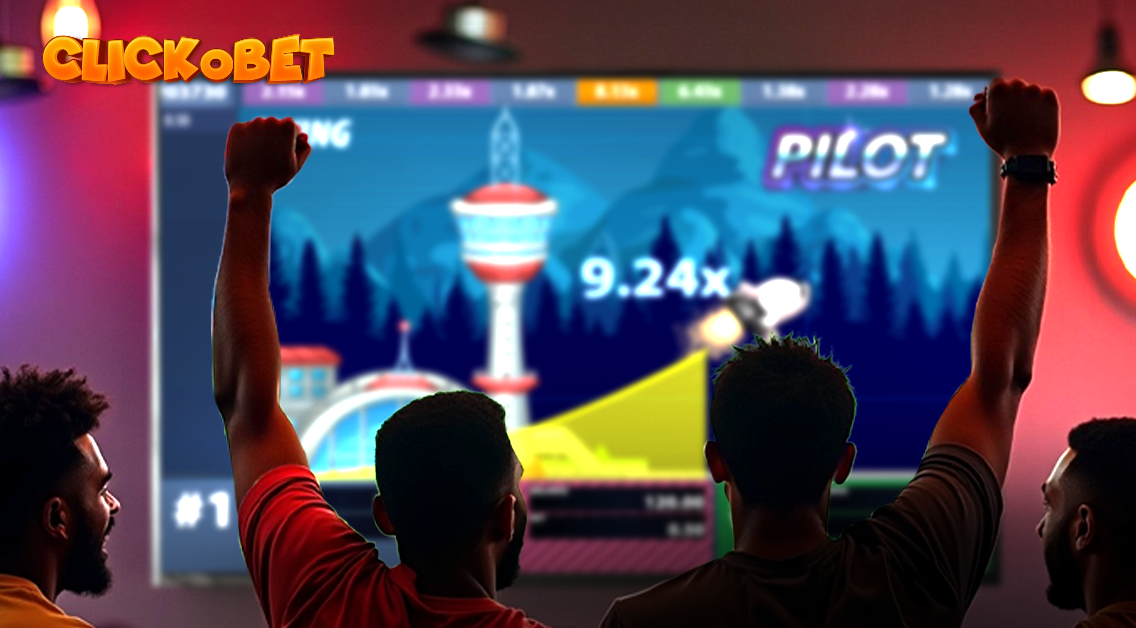
Multiplayer gaming gains real commercial power when participation becomes visible. In a physical venue, every round has an audience, every reaction adds signal, and every active screen helps the room feel alive.
Online platforms deliver access and speed. Physical venues add live social proof, shared attention and immediate atmosphere. Players can read the room, understand the energy around the game and join an experience that already feels active.
For casinos, betting shops, gaming halls, sports bars and other entertainment spaces, the venue changes the economics of the game. A multiplayer format can fill more than a screen; it can fill the room with visible activity. People watch outcomes, compare reactions, join conversations and turn individual rounds into a shared signal.
That setting gives even simple formats more weight, more pace and more reason to hold attention. In practical terms, multiplayer gaming in physical venues creates entertainment value through atmosphere, proximity and social momentum.
The main strength of a physical venue is presence. Players are in the same space, so the game immediately feels more social.
Instead of playing against distant usernames, people can see who is involved. They notice reactions, hear comments and feel the pressure of a close result. A win can create noise. A tense round can pull in people who were not planning to play.
This live social layer makes multiplayer gaming easier to follow and more enjoyable. New players can watch before joining. They can ask simple questions and learn from the room instead of studying instructions alone.
And that makes a big difference. In physical venues, multiplayer gaming is not only about mechanics, but also about shared attention. The room gives the game more life.
A venue can turn a normal game session into a small event. Screens, sound, lighting, staff and other players all shape the experience.
This is why multiplayer gaming often feels stronger in physical spaces. Players are not only waiting for a result. They are watching the action develop around them. A leaderboard, group challenge or timed round becomes more visible when others can follow it too.
Several venue factors support engagement:
These elements help player engagement mechanics feel more natural in a physical venue. A leaderboard becomes part of the room, giving people something visible to follow. A challenge gives players and spectators a shared point of attention, turning individual play into something the room can react to together.
That shared attention can encourage players to stay involved, try again or return another time.
Good multiplayer gaming usually works through two forces: competition and community.
Competition gives players a reason to care. They want to win a round, beat a friend, climb a ranking or perform better than before. Community gives them a reason to come back. They recognize the setting, the pace and sometimes the people around them.
Physical venues are well suited to this mix. A player may join for the game, but the wider experience can become part of the appeal. The session includes the result, the reactions and the feeling of being involved in something live.
This also helps casual players. A new player may not want a complicated experience. In a venue, they can watch first, join when ready and understand the game through the people around them.
That lowers the barrier to entry. It also makes multiplayer formats feel less intimidating. The social setting does part of the work.
Online gaming often depends on menus, search tools and recommendations. In physical venues, discovery happens in a more direct way.
A busy screen can attract attention. A group of players can make others curious. A close result can turn into a moment people want to watch. This gives multiplayer games a natural advantage.
Solo gaming can stay private. Multiplayer gaming creates movement. People gather, compare results and react together. That makes the game easier to notice inside the venue.
Visibility matters because many visitors do not arrive with a fixed plan. Some may be waiting for a sports event, meeting friends or browsing available options. A multiplayer format gives them something simple to observe and potentially join.
For venues built around steady footfall, the goal is constant visible energy. Multiplayer gaming helps create that rhythm. The game becomes part of the room’s movement, giving visitors something to notice, follow and join throughout the day.
Technology still matters, but its job in a physical venue is practical. It should make participation easier, results clearer and the overall experience smoother. The best systems support the room’s energy instead of pulling attention away from it.
A strong multiplayer system needs to be clear, fast and easy to join. Players should understand the basic rules quickly. Results should be visible. The format should work for both regular users and first-time players.
This is especially important in venues where people move in and out at different times. Not everyone will sit through a long explanation. The best formats make participation feel natural.
Useful technology can support timed rounds, shared displays, rankings, group challenges and simple onboarding. These features help organize the experience without making it feel heavy.
Clear digital structure gives the format discipline. A lively physical setting gives it momentum. Together, they make multiplayer gaming easier to understand, easier to enter and more compelling to follow.
Multiplayer gaming works better in physical venues because players are not only interacting with a game. They are interacting with people, atmosphere and live reactions.
Physical venues make multiplayer formats more social, more visible and easier to understand. They support competition, community and repeat engagement in a way that isolated online play often struggles to match.
The strongest results come when technology and environment work together. The game provides the structure. The venue provides the energy. The players bring the experience to life.