How Interactive Gaming Systems Increase Player Engagement
A packed lobby can look impressive, but after a few minutes it may still feel like scrolling through shelves. The player opens a game, checks another, moves on. What keeps the session from going flat is usually something small in the background: a mission close to done, a progress bar that moves, a leaderboard shift, or feedback right after a round.
Sometimes that small signal is enough. A player may stay for one more round not because a huge feature appears, but because the session has a loose thread to follow.
Interactive gaming systems create that thread, helping gaming hall operators deliver more engaging player experiences.. They turn separate clicks into something with shape: progress to track, choices to make, rewards to understand and signals that help players find the next step. For gaming platforms and businesses planning to launch an iGaming business, this is where player engagement becomes more than time spent online. It starts to show in return visits, feature use, session depth and user retention.
What Makes Interactive Gaming Systems Work
Interactive gaming systems are the mechanics and platform features that respond to what a player does. Some features are small: a progress bar, a daily mission, a reminder that a reward is close. Others add more structure, such as tournament systems, tournament rankings, achievements or a reward path that builds over several sessions.
The point is not to fill the screen with buttons, but to give players something useful to follow.
For example, a game tile alone may invite a click. A game tile connected to a mission, a limited challenge or a visible progress meter gives the player a stronger reason to continue. The feature adds context. It turns a single action into part of a wider experience.
This is exactly where the experience unfolds. Players are no longer just picking from a list. They have small choices to make, progress to notice and reasons to move from one part of the platform to another.
The best features are easy to spot, easy to understand and useful from the first click. If the player needs a tutorial just to follow a mission or reward, the feature is probably doing too much. This approach is especially important in emerging markets, where simple and responsive user experiences are essential for consistent player engagement.
How Small Features Support User Retention
Player engagement grows when users feel that something is happening because of their actions. Even small forms of interaction can change the mood of a session.
A player who sees a mission at 80% completion is more likely to continue than a player who sees only another round. A leaderboard can make a score feel more relevant. A reward meter can make progress feel visible. These details help players stay involved because the session has movement.
Interactive features support engagement in several practical ways:
• Daily missions give players a reason to return.
• Progress bars show that the session is moving somewhere.
• Leaderboards add context to scores and wins.
• Reward paths make activity feel connected.
• Personalized suggestions reduce browsing fatigue.
• Real-time feedback keeps the experience from feeling static.
These features also support user retention. A player may arrive for one game, but return because there is a challenge to complete, a ranking to improve or a reward path still in progress.
Still, more features do not automatically mean better engagement. Too many prompts can make the platform feel noisy. A confusing leaderboard does the opposite of what it should. A reward system with unclear rules can create frustration instead of interest.
Interaction works best when it feels useful. It should help players move through the experience, not interrupt them every few seconds.

Gamification, Real-Time Gameplay and Personalization
A player sees a streak almost complete, a mission close to done, or an achievement one step away. That small detail can be enough to keep the session moving. Gamification works because it gives players something to track outside the main game, without pulling them away from it.
The progress does not have to be big. A few points added, a reward meter filling up or a ranking change after a round can show the player that their activity is leading somewhere.
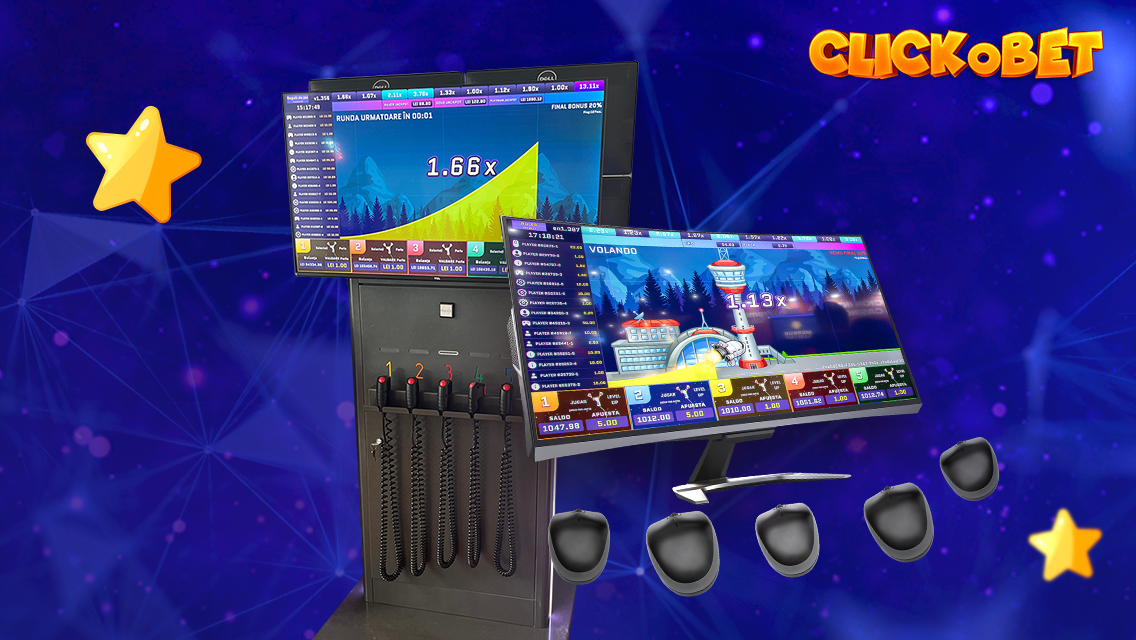
Real-time gameplay in crash games keeps that feeling intact. When points are added, a challenge is completed or a leaderboard position changes, the update should appear quickly. If it comes too late, the feature starts to feel separate from the session.
A game lobby should not feel like a maze with prettier buttons. Some players arrive for a few quick rounds. Others already know where they are going: a tournament, a familiar theme, a reward feature or a game they played before. Recent games, simple filters and relevant suggestions shorten that path.
The problem starts when the platform nudges every click. A mission is useful if it gives direction. It becomes annoying if it sits in front of the game. Points, ranking changes and reward messages should appear quickly, then get out of the way.
Good player engagement strategies in online gaming give players something to follow, but still leave the choice with them.
Rewards, Challenges and Social Features
Casino play already has a clear loop: bet, result, next decision. Interactive systems add something around that loop without replacing it. Missions, tournament ranks, milestones, streaks and progress bars make the session feel less like a chain of separate rounds and more like there is a path running through it.
A bonus works harder when it does something visible. It might finish a mission, unlock a milestone or change a player’s place in a ranking. Then it is not just another message on the screen.
Challenges can lead players into parts of the lobby they might normally scroll past. A new game type is easier to try when it counts toward a mission, and a progress bar close to the end can pull one more round out of a session.
Leaderboards and tournaments add social context without forcing direct player-to-player interaction. A result feels different when it has a visible place in a ranking.
The rules still need to be simple. Do the task, see the progress, know what changes. No rule maze, no fine-print hunt.
A More Active Player Experience
Interactive gaming systems increase player engagement by giving online gaming more movement between rounds. Goals, feedback, progress markers and relevant suggestions all help the session feel easier to follow.
The strongest features are not always the biggest ones. A clear mission, a fair leaderboard, a useful recommendation or a quick reward update can be enough to make the experience feel more active.
For gaming platforms, interaction is now part of the user experience. Players expect more than access to games. They expect context, choice and a reason for the next action to matter.