
How to Reduce Operating Costs in Land-Based Gaming Venues
Time to read
 10 min







 10 min
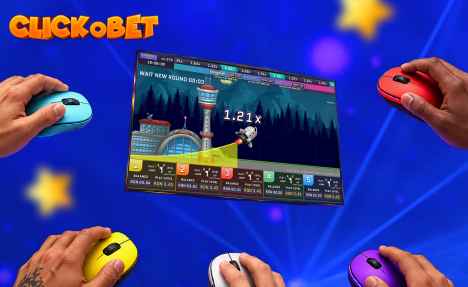
A multiplier jumps past 4x on a nearby screen, and heads turn. One player has already cashed out. Another is still holding on, hoping to squeeze a little more out of the round before the crash. A few people stop to watch. It takes seconds to understand what’s happening, and that’s part of why crash games work so well in physical venues.
The action starts almost immediately, with each round bringing the same decision: cash out or hold on for a higher payout. Rounds are short, making it easy to dip in for a few bets, move on to something else and perhaps return for another try later.
For operators, crash games add a different pace to the gaming floor. They’re easy to follow from a distance, require little explanation for newcomers and can encourage players to return for another round. The real opportunity lies in turning that initial interest into sustained engagement.
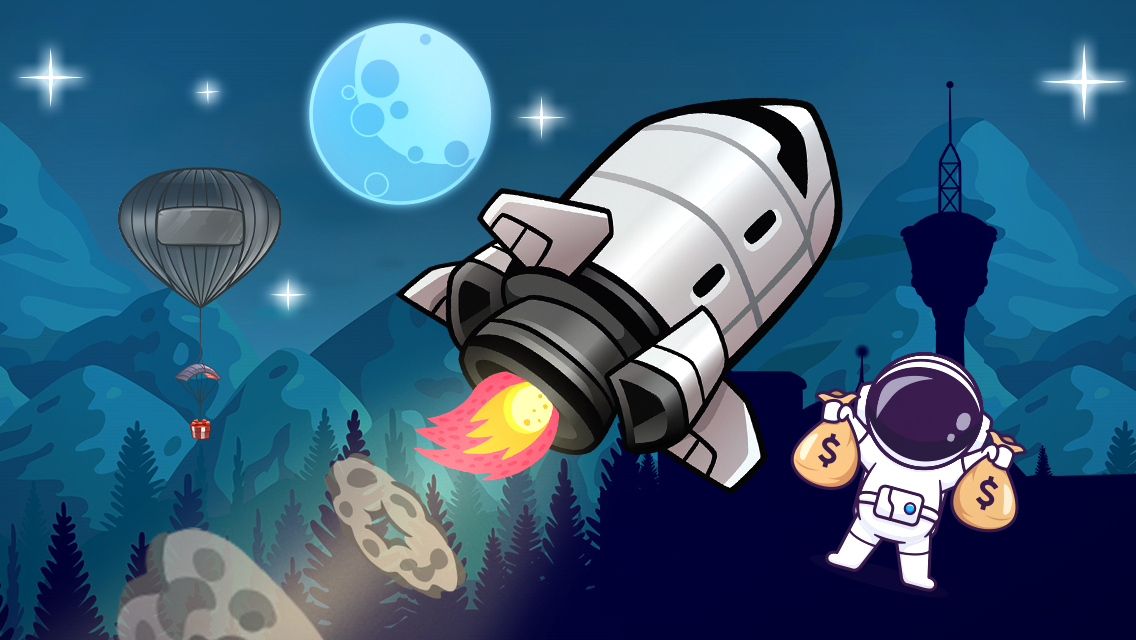
Pilot is the sort of game a player can understand just by watching somebody else for twenty seconds. The multiplier goes up until it suddenly doesn’t. Get out before that point and the bet is settled.
There is not much else to decode.
On a busy floor, people rarely stop to study every new game. An unfamiliar slot may take a minute: which symbols matter, what starts the feature, where the bonus comes in. A crash title is easier to read on the spot; the main action is already happening in front of them.
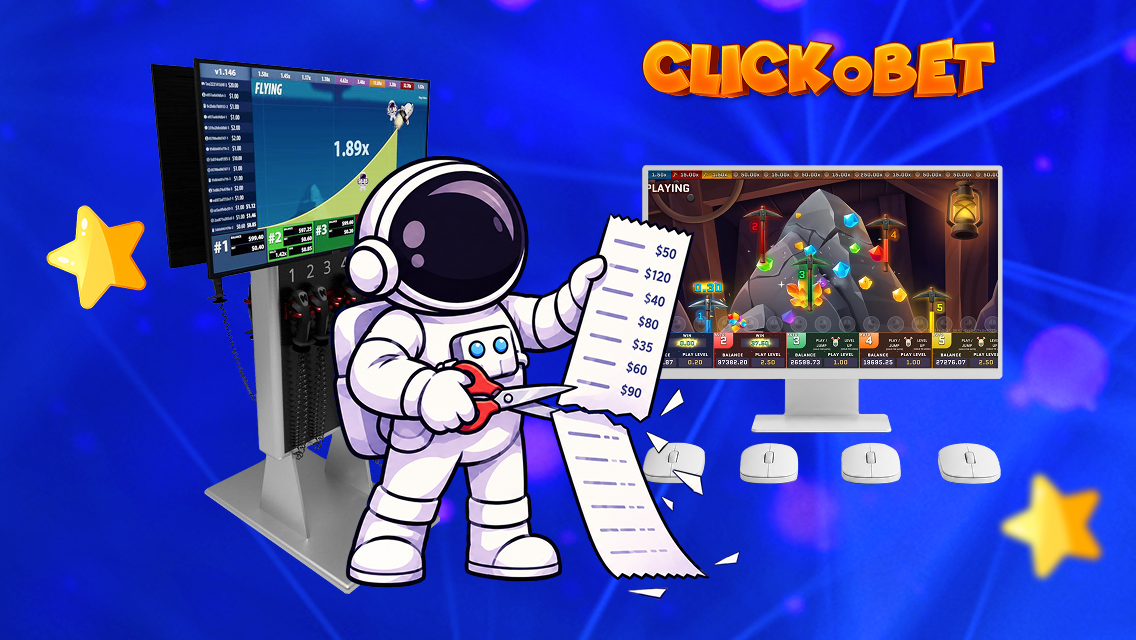
Clickobet keeps that same foundation in Pilot, Country Pilot and Gem Diggers. Each title puts its own skin on the format. For a player who already knows this type of game, there is much less to figure out before joining in.
Speed is the obvious feature, but it is not what keeps the session busy.
The player keeps making small calls, often only seconds apart.
At 1.35x, taking the result may look sensible. A second later, 1.70x is on the screen. Wait again? And then the choice comes back: take the result now or stay in a little longer.
There is very little passive time.
A ten-minute session can contain dozens of these moments. That gives crash play a different feel from formats where much of the action unfolds after the bet has already been placed.
It is also easy to leave without feeling that a session has been cut short. A few rounds now, a few later — nothing needs to be remembered when the player comes back. There is no story to resume and no bonus state to remember.
For operators, that means engagement should not be reduced to the number of bets. More useful signs include:
Over time, the difference becomes fairly obvious: some titles get sampled once; others pull the same players back.
The physical gaming floor gives crash games an advantage: they attract attention beyond the person playing.
A rising multiplier creates visible suspense, even for someone unfamiliar with Pilot. While slots can be difficult to follow from a distance, crash games make the action immediately clear.
That visibility can draw spectators and encourage them to join the next round. Clickobet’s Pilot tournaments build on this appeal with leaderboards that give players another reason to follow the competition.
For operators, this extends player engagement beyond individual sessions, turning gameplay into something the wider room can follow.
A crash title earns its place when it changes the pace. That advantage can disappear if the category is overused.
Ten titles built around an almost identical session are still ten versions of the same behaviour. More choice on paper does not always feel like more choice to the player.
The stronger approach is to look at what the format contributes beside the rest of the catalogue.
A venue might already have long-form slot sessions, sportsbook screens and quick draw-based products. Crash games then add something more immediate: a short cycle, an obvious decision and a result that is easy to follow.
That makes selection more important than volume.
There is also a placement issue. A crash game hidden three menus deep gives up one of its natural strengths. If the format works because people understand it quickly, it needs to be easy to notice and easy to enter.
Clickobet’s crash content therefore makes most sense as part of a mixed floor rather than as a separate block of near-identical games.
The useful question is not, “How many crash titles can fit into the catalogue?”
It is, “What changes for the player when one of these titles is added?”
If the answer is simply “another game,” the selection is probably weak. If it brings a noticeably different pace or draws attention from players who were previously using something else, it has a clearer purpose.
Crash games suit physical venues because players can grasp the rules in one round, make quick decisions and follow the action from nearby.
A few well-placed titles can add variety between slower games and draw attention across the floor. For operators, the real measure of success is repeat play: whether players return to the format throughout their visit.
Mosaix supports this strategy by distributing different game types across multiple terminals, helping operators build a varied catalogue that gives players more reasons to stay engaged.
Ultimately, the goal is to give players more choice and more reasons to return, while making every terminal work harder for the venue.