

Why Tournaments Keep Players Coming Back
Time to read
 10 min







 10 min

Land-based casinos may still look familiar from the player’s side: screens, terminals, tables, cash desks. Behind the scenes, though, much more of the operation now runs through software.
In 2026, that software reaches well beyond the games themselves. It helps staff process transactions, track activity across the floor, manage several venues and spot problems faster. Some of the most useful upgrades are barely visible to players. A cleaner cashier system or a dashboard that shows what is happening in real time can make a bigger operational difference than a flashy new machine.
On a busy shift, staff can go from the cash desk to a terminal problem, then straight into a customer query. When the system records routine activity as it happens, there is less to check later and less paperwork to sort out at the end of a shift.
A physical gaming venue used to generate plenty of information without making that information particularly easy to use.
Transactions could sit in one system, machine activity in another and staff records somewhere else. Managers often had to check several sources before understanding what had happened during a shift.
Casino management systems are gradually bringing these activities together. From one interface, an operator may now be able to see:
For businesses with several locations, centralized access becomes even more useful. Managers can compare information from different venues without being physically present at each one.
Clickobet follows this approach with a backend management platform that provides visibility into activity ranging from user sessions to staff operations. The company also offers a fraud-protected cashier interface and combines game broadcasting, cash-register functions and administration within the same setup.
Having those records in one place leaves less information to piece together after a shift.
Traditional table operations still involve a surprising amount of manual work.
Chip counts, table activity and reconciliation have historically depended heavily on dealers, supervisors and written records. Connected tables are changing that process.
RFID-enabled chips and smart table systems can automatically capture parts of the activity taking place at the table. That gives operators a clearer record of chip movement and makes reconciliation easier. Smart-table use in markets such as Macau has also moved some routine procedures away from handwritten logs and toward digital records.
Supervisors have more consistent information to work with when something does not add up. Finance teams can compare cleaner records, while security staff have another source of data when reviewing unusual activity.
The dealer and the physical table remain central to the experience. More of the recording and verification simply happens in the background.
The cashier is another part of the venue where relatively small technological changes can have an immediate effect.
Players notice queues. Staff notice repetitive transactions. Operators notice the work involved in reconciling everything at the end of the day.
Cashless casino systems continue to expand, especially in larger properties. Existing solutions can connect a single cashless account with slot play, table games, sports betting and retail purchases across a casino property.
Smaller gaming venues can approach the same problem differently.
Clickobet offers a mobile cash register that allows financial operations to be handled from a phone. For betting shops and gaming halls with smaller teams, that gives staff more flexibility than a cashier function tied to one fixed desk.
It can also shorten a fairly basic part of the customer journey. Players generally want to fund a session or collect a payout without spending unnecessary time in a queue.
Some of the most useful automation in 2026 is fairly unglamorous.
Scheduling, scoring, reporting and transaction records can take up staff time even when the individual tasks are simple. Promotional tournaments are a good example.
Pilot Tournaments run in timed rounds with a live leaderboard. Winning multipliers accumulate as players take part, rankings update during the tournament and prizes are distributed automatically at the end. Timing, scoring, rankings and payout logic are handled by the system, so staff do not have to manage every step manually.
For a small gaming hall, that can make a promotion much easier to run.
The same principle applies elsewhere. Software can prepare regular reports, record transactions and flag activity for review instead of leaving staff to compile the same information by hand.
Physical gaming systems are becoming less tied to one fixed type of installation.
Games can be distributed through centralized infrastructure, while interfaces and content can be updated without replacing the entire physical setup. New formats can also be introduced across several venues at once.
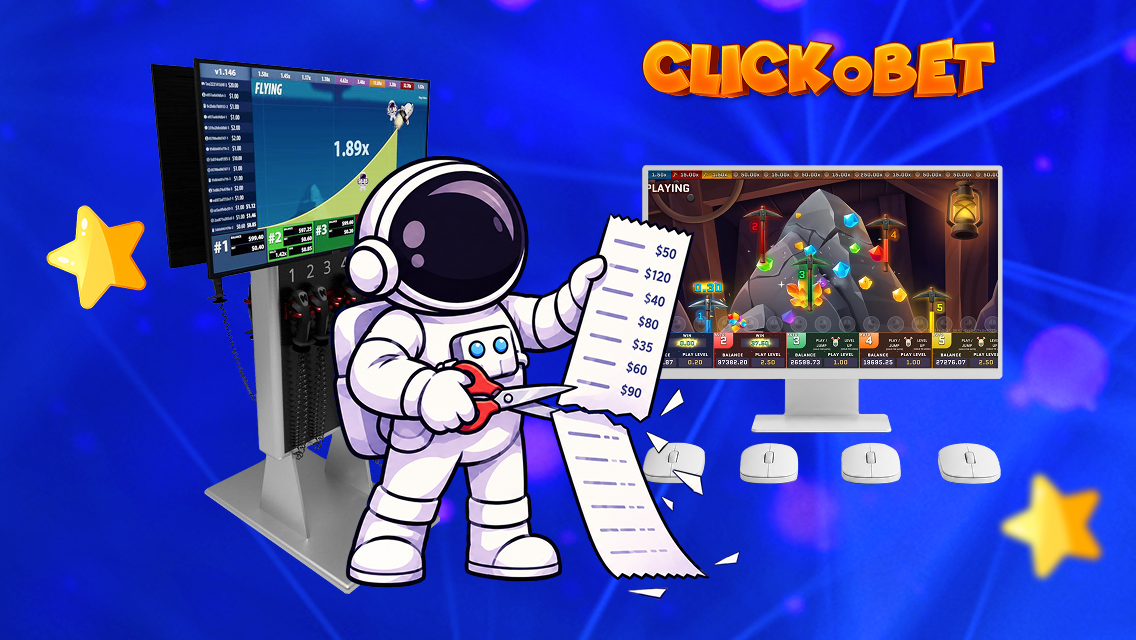
Clickobet supports different hardware configurations, including TV screens with mice, joystick installations and W3 terminals, while Pilot is also available in HTML5 format for online use. Its systems are designed for low Internet traffic consumption, which is useful in markets where connections are unreliable or data is expensive.
For operators, those practical details can determine whether a product is easy to roll out in the first place. A game still has to work with the hardware and connection available at the venue.
Many of the biggest changes in land-based gaming are happening out of sight.
A connected table records more information. A cashier can handle transactions from the floor. A backend system gives managers a clearer view of activity across the venue. None of these changes alters the basic appeal of a physical casino, but together they make the operation easier to run.
The same thinking extends beyond a single product. Mosaix, the wider gaming technology group behind Clickobet, works across land-based systems, online casino platforms, lotteries and game content. For operators expanding into new channels, having those areas connected within the same broader ecosystem can reduce the amount of separate technology they have to manage.